
Written by Georgie, SEND Tutor and Mentor at Bristol Tutors
Having worked in SEND education for many years, most of the pupils I work with have ADHD. Although diagnoses are becoming more common, there is still a lot of misunderstanding about what ADHD actually is.
ADHD presents itself differently depending on the person, their environment, and their interests. Many young people with ADHD are incredibly creative, curious, and imaginative, but traditional learning environments do not always allow those strengths to shine. This is why it is so important, as educators, to understand the specific needs of the young person in front of us.
Some students may need movement to process information, while others may prefer talking things through or working in silence. Rather than relying on what we see through social media, a better place to start is by asking young people what feels important to them and how they learn best.
Learning Through Interests
One of the most rewarding parts of working with ADHD is the enthusiasm students often have for their special interests. For teachers, this can provide a real “in” for learning, allowing lessons to be shaped around interests and built from there.
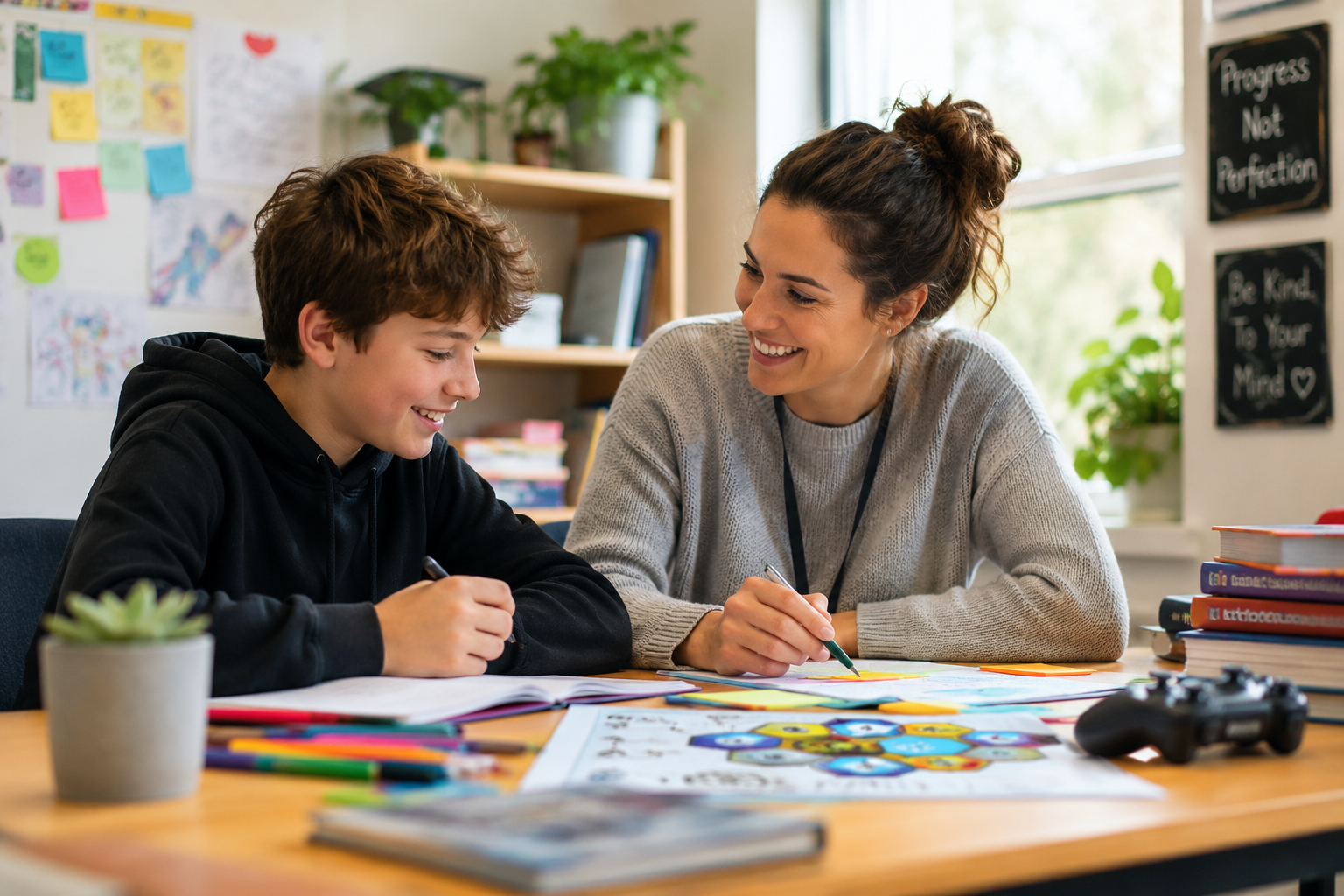
For example, if maths has become a barrier but the young person loves a certain video game, the lesson can be adapted around that interest.
It is also important to show how learning connects to real life. One of the benefits of working in alternative provision is being able to teach through lived experience. Hands-on learning can make education feel more meaningful while also helping students develop practical life skills alongside academic ones.
For some ADHD learners, timers and clear structure can support productive learning. Others may benefit more from low-intensity, sensory-based activities. For example, core skills such as maths and English can be taught through cooking, activating multisensory learning and helping information stick more naturally.
A key part of the way I teach is providing students with options, even if the option is simply, “Would you like me to plan the lesson, or should we do it together?” This often means planning two or three activities to choose from, perhaps a high-focus task alongside something more creative or game-based.
At the end of each session, I leave time to reflect and plan the next one together. This creates predictability, reduces overwhelm, and helps students feel more involved in their learning, while still allowing room for flexibility and change.
Building Confidence
Many neurodivergent young people lose confidence in their learning because schools are not always set up to support a child-led approach. Often, rebuilding confidence becomes a bigger barrier than the teaching itself.
To support this, I often learn alongside the young person and role model how to make mistakes comfortably and learn from them. Encouraging the idea that mistakes are part of learning is vital in helping confidence grow.
I sometimes begin sessions with debates or discussions simply to “get the brain in gear,” helping to reduce pressure while encouraging curiosity, engagement, and confidence in sharing ideas.
Final Thoughts
There is no one-size-fits-all approach when it comes to teaching young people with ADHD. The most important thing is to show up without judgement and build a strong relationship.
When trust and connection are there, the learning often begins to flow naturally. With some students, that bond can take six months to build; with others, it can happen in six minutes. Every young person is different, which is exactly why flexibility, patience, and genuine understanding matter so much.
When learning feels safe, engaging, and meaningful, young people are far more likely to build confidence, reconnect with education, and develop a positive relationship with learning.
Written by Georgie, SEND Tutor and Mentor at Bristol Tutors.