
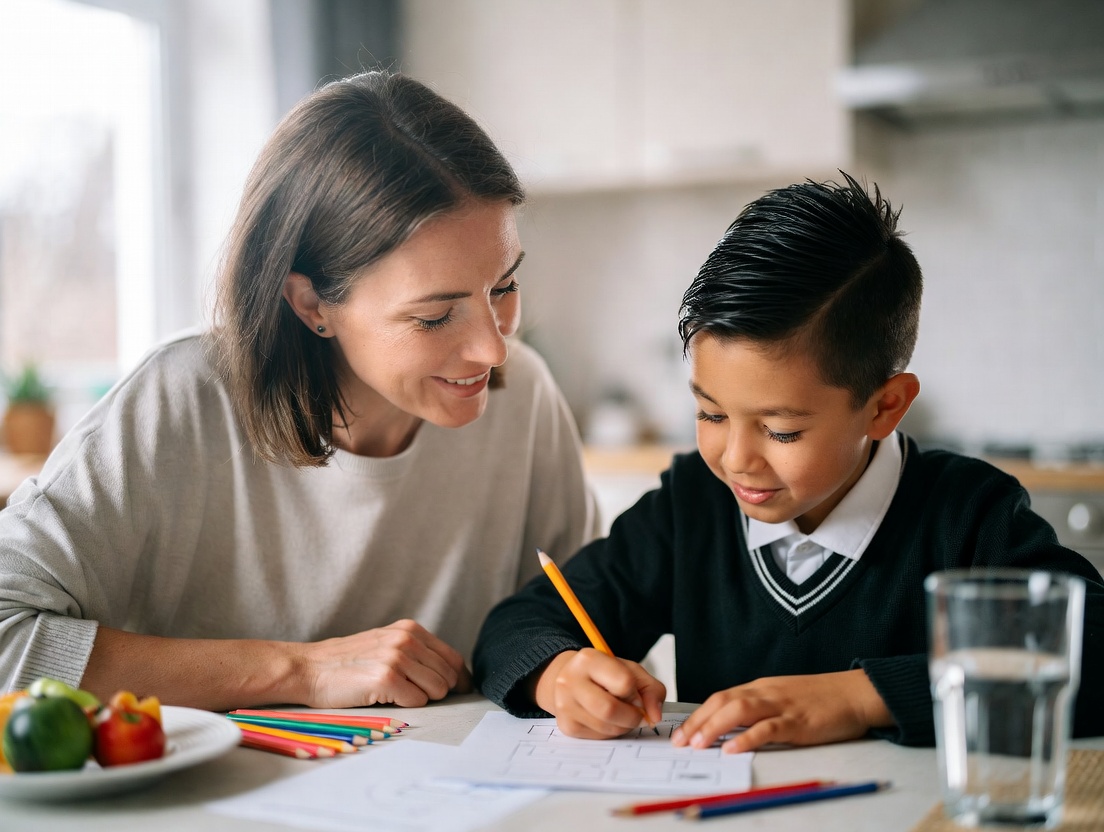
If the word SATs makes your stomach flip a little, you are not alone. For many parents, SATs feel like a looming cloud on the horizon of primary school life. Children pick up on this tension quickly, even when we try to hide it behind encouraging smiles and colourful revision guides. The good news is that preparing your child for SATs does not have to mean tears at the kitchen table or battles over homework. With the right approach, SATs preparation can feel calm, manageable and even confidence boosting.
This guide is designed to help you support your child in a way that protects their wellbeing while still giving them the tools they need to do their best. There is no pressure here to turn your home into a mini classroom or to become an expert teacher overnight. Small, thoughtful choices can make a surprisingly big difference.
Understanding what SATs really are
Before thinking about preparation, it helps to understand what SATs are and what they are not. SATs are assessments used in England to check how well children have learned the national curriculum. They usually take place in Year 2 and Year 6, with Year 6 SATs often feeling like the bigger event.
What SATs are not is a test of your child’s intelligence, worth or future success. They are a snapshot taken on a few days in May. Schools use the results to understand progress and plan support, not to label children. When parents genuinely believe this, it becomes much easier to pass that calm message on to children.
Children often take emotional cues from adults. If SATs are spoken about as something scary or high stakes, anxiety can grow quickly. If they are framed as a chance to show what they already know, they feel far more manageable.
Start with emotional safety, not revision
One of the most effective ways to reduce SATs stress is to prioritise how your child feels before focusing on what they know. A child who feels safe, supported and understood is far more likely to engage with learning.
Make space for conversations about SATs that are open and judgement free. Ask your child what they think SATs are and how they feel about them. You might be surprised by their answers. Some children worry about letting their teacher down. Others fear being compared to friends. Simply listening, without rushing to fix things, can be incredibly reassuring.
It also helps to normalise nerves. Let your child know that feeling a bit worried is a normal response to something new or important. Avoid phrases that dismiss feelings, such as “there’s nothing to worry about”, and try instead to acknowledge emotions while offering reassurance.
Build a gentle routine early on
Last minute cramming is stressful for adults, let alone children. A calm preparation approach starts well before the SATs week itself. Gentle, consistent routines work far better than intense bursts of revision.
Short, regular practice sessions help learning feel like part of everyday life rather than a special, scary activity. Ten or fifteen minutes a few times a week is often enough, especially when combined with what children are already doing in school.
Try to link revision to existing routines. This might be a quick maths game after tea or a reading chat before bed. When revision fits naturally into the day, it feels less like a chore and more like a habit.
Focus on confidence, not perfection
SATs do not require children to know everything perfectly. They require children to try their best with what they know on the day. Confidence plays a huge role in this.
Celebrate effort rather than results. When your child answers a tricky question or sticks with something they find difficult, praise their persistence. This builds resilience and reduces fear of getting things wrong.
Mistakes should be treated as useful information, not failures. If your child gets something wrong, explore it together in a curious way. What part was tricky? What do they already understand? This approach helps children feel safe to try, which is essential for learning.
Use low pressure practice materials
Practice papers and questions can be helpful, but how they are used matters far more than how many are completed. Sitting a child down to do a full paper under timed conditions at home can increase anxiety if it is not handled carefully.
Instead, dip into questions together. Talk through them. Model thinking out loud. Show your child that it is okay to pause, reread and think.
If you do use practice papers, make it clear that they are just for practice. Avoid marking them in a formal or critical way. Focus on spotting patterns rather than scores. This keeps the emphasis on learning rather than performance.
Keep learning playful where possible
Children learn best when they are engaged and relaxed. Play is not the opposite of learning. It is often the gateway to it.
Games that involve numbers, words or problem solving can quietly support SATs skills without feeling like revision. Board games that involve counting, strategy or reading instructions are especially useful. Everyday activities such as cooking, shopping or planning journeys are also full of opportunities to practise maths and comprehension skills in a natural way.
Here is a single list of simple, low stress ways to support learning at home
- Read together regularly and talk about the story, characters and new words
- Play number games such as card games, dice games or mental maths challenges
- Involve your child in real life maths like measuring ingredients or working out change
- Encourage writing for real purposes such as letters, lists or stories
- Use educational apps sparingly and always alongside discussion
Protect downtime and sleep
One of the most overlooked aspects of SATs preparation is rest. Tired, overwhelmed children find it much harder to concentrate, remember information and manage emotions.
Make sure your child has plenty of time to relax, play and unwind. Screen free time before bed, consistent sleep routines and opportunities for physical activity all support emotional regulation and focus.
In the run up to SATs week, avoid adding extra clubs or commitments if possible. A calmer schedule can make a big difference to how children cope.
Be mindful of your own language
Children listen more closely than we realise. Casual comments about being worried, stressed or disappointed can stick in their minds.
Try to keep SATs related conversations neutral and reassuring. Avoid comparing your child to others or talking about results as if they define success. Focus instead on effort, growth and the fact that SATs are just one small part of their school journey.
If friends or family members ask about SATs, answer in a way that models calm confidence. This helps reinforce the message that there is nothing to fear.
Work with the school, not against it
Teachers know your child well and have experience guiding many pupils through SATs. If you are unsure how best to support your child, reach out to the school. They can often suggest specific areas to focus on or reassure you about what is expected.
Try to align home support with what the school is doing. This consistency helps children feel secure and avoids confusion or overload.
The week of SATs itself
When SATs week arrives, the best thing you can offer is stability. Stick to normal routines as much as possible. Ensure your child eats breakfast, arrives at school on time and feels supported.
After each test, resist the urge to analyse questions or answers. What is done is done, and revisiting it can increase anxiety for the remaining days. Focus instead on something pleasant to look forward to after school.
Remember the bigger picture
SATs are a moment, not a measure of your child’s potential. Long after the tests are forgotten, what will matter is how your child feels about learning and themselves.
By approaching SATs preparation with empathy, balance and perspective, you are teaching your child something far more valuable than test techniques. You are showing them how to face challenges with calm confidence, which is a skill that will serve them for life.