
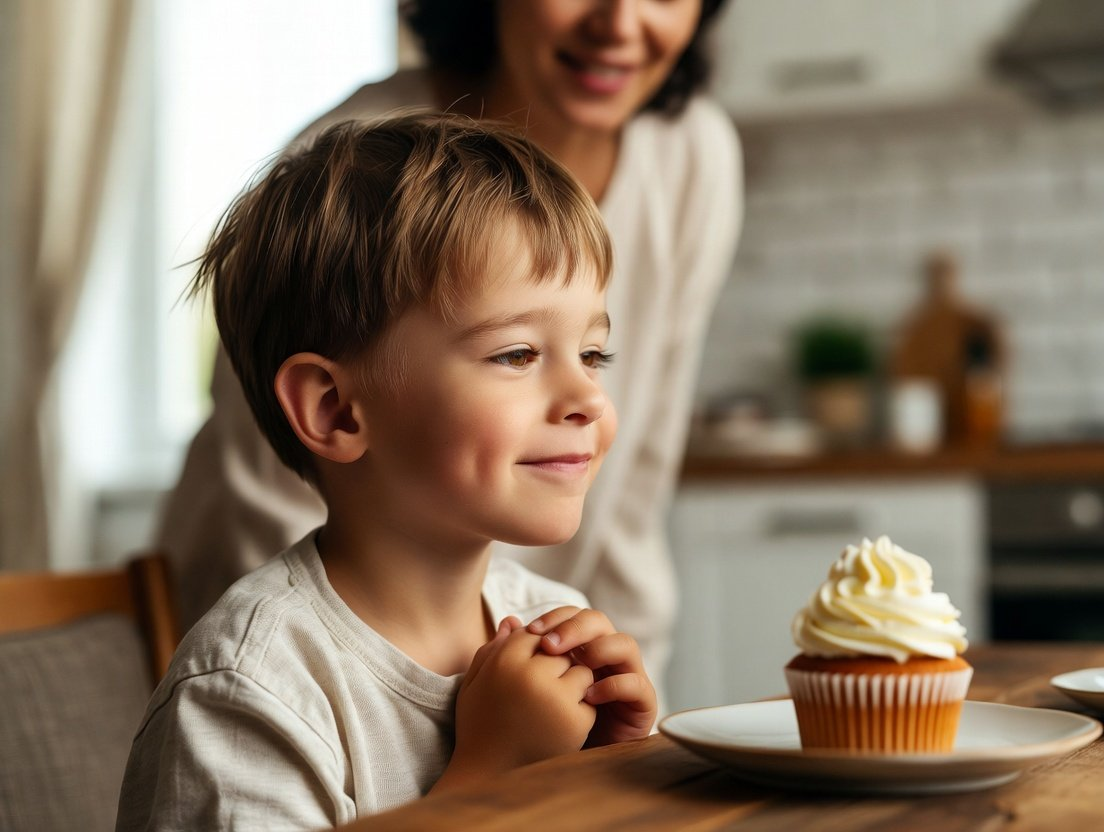
Children live in a world of instant everything. Press a button and a cartoon appears. Ask a smart speaker a question and the answer arrives in seconds. Even food can arrive at the door faster than it takes to set the table. While this modern convenience is helpful for busy families, it also means children have fewer opportunities to practise waiting.
Learning to wait might sound like a small life skill, but it plays a powerful role in shaping emotional discipline. When children learn that rewards sometimes come later rather than immediately, they begin to develop patience, resilience and better self control.
Delayed rewards are not about denying children enjoyment or making life difficult. Instead they gently teach children that effort and patience often lead to greater satisfaction. Over time, this helps children build stronger emotional regulation and healthier attitudes towards goals and achievements.
What is a delayed reward
A delayed reward simply means that a child receives something positive after a period of waiting or effort rather than instantly.
This could be as simple as saving pocket money for a toy instead of buying something small straight away. It might involve finishing homework before screen time or waiting until the weekend for a special treat.
For young children especially, the idea of waiting can feel like standing still while the rest of the world zooms ahead. Their brains are still learning how to manage impulses and emotions. When adults guide them through situations where patience leads to a reward, they begin to understand that waiting does not mean losing out. Often it means gaining something better.
Over time, these small experiences become emotional building blocks that support discipline and self regulation.
Why waiting strengthens emotional discipline
Emotional discipline is the ability to manage feelings, control impulses and make thoughtful choices. Children are not born with this skill. It grows gradually through experience.
Delayed rewards create natural opportunities for children to practise these abilities. When a child has to wait for something they want, they experience anticipation, frustration and excitement all at once. Learning how to handle those feelings without giving up is an important step in emotional development.
Each time a child successfully waits for something meaningful, their brain strengthens pathways linked to self control and decision making. In simple terms, they learn that they are capable of managing their impulses.
This sense of capability is powerful. It builds confidence and teaches children that difficult feelings, such as impatience or disappointment, can be handled rather than avoided.
The science behind delayed gratification
Psychologists have long been fascinated by how children respond to waiting. One well known experiment involved offering children a choice between one treat immediately or two treats if they waited.
Some children grabbed the first reward straight away. Others tried creative ways to distract themselves while waiting for the larger reward. What researchers discovered was that the children who managed to wait often developed stronger self control later in life.
The important lesson from this research is not that some children are naturally more disciplined than others. Instead it shows that self control can be practised and strengthened.
Children who regularly experience situations where waiting leads to a better outcome begin to internalise that pattern. Their brains learn that patience can be worthwhile.
Everyday moments that teach patience
Delayed rewards do not need to involve complicated systems or strict rules. In fact, the most effective lessons often happen in ordinary daily moments.
Families already experience many opportunities where waiting naturally occurs. When adults frame these moments positively, children begin to see patience as part of everyday life rather than a punishment.
For example, a child might help prepare dinner and then enjoy the meal together once it is ready. The effort and anticipation add meaning to the final reward. Similarly, working towards a weekend outing after a week of school can make the experience feel even more special.
Children gradually realise that waiting can build excitement rather than simply delay happiness.
Simple ways parents can encourage delayed rewards
Supporting children to practise patience does not require complicated systems. Small adjustments in daily routines can gently introduce the idea that good things are worth waiting for.
Here are a few practical approaches families can try
- Encourage saving for larger goals rather than spending immediately
- Link certain privileges such as screen time to completing responsibilities
- Plan special treats for later in the day or week rather than immediately
- Celebrate effort and persistence as much as the final reward
- Use countdowns or calendars so children can see progress towards something exciting
These strategies help children understand that patience and effort are connected to positive outcomes.
Why immediate rewards can sometimes backfire
When children receive rewards instantly every time they ask for something, it can unintentionally weaken their ability to manage frustration.
Imagine a child who always receives a snack, toy or screen the moment they request it. Their brain quickly learns that desire equals instant reward. When a situation arises where waiting is unavoidable, such as school tasks or group activities, frustration can build quickly.
Children may feel overwhelmed by emotions they have not yet practised handling. Tantrums, arguments or refusal to participate can sometimes stem from this lack of experience with waiting.
Introducing delayed rewards in a supportive way helps children gradually expand their emotional tolerance. They learn that discomfort from waiting is temporary and manageable.
Building resilience through small challenges
Delayed rewards do more than teach patience. They also help children develop resilience.
When children work towards something over time, they encounter small obstacles along the way. Perhaps saving money takes longer than expected or practising a skill feels difficult at first. These moments teach persistence.
Resilience grows when children see that effort leads somewhere meaningful. A toy bought with saved pocket money often feels more valuable than one received instantly. A school project completed after careful work brings a deeper sense of pride.
These experiences quietly shape a child’s mindset. Instead of expecting instant success, they begin to view challenges as steps along a path.
Supporting children when waiting feels difficult
Waiting can be genuinely hard for young children. Their developing brains are still learning how to regulate emotions and impulses. When frustration appears, it is important that adults respond with patience rather than criticism.
Acknowledging a child’s feelings can make a huge difference. Saying something like “I know waiting feels difficult, but we are getting closer” helps children feel understood.
Providing small distractions during waiting periods can also help. Activities such as drawing, reading or helping with a task shift attention away from the delay while still reinforcing the idea that patience leads to a positive outcome.
Over time, children become more comfortable with these waiting periods because they trust that the reward will eventually arrive.
The long term benefits of learning patience
The ability to delay gratification has far reaching benefits beyond childhood.
Children who learn emotional discipline through delayed rewards often develop stronger focus at school. They are better able to concentrate on tasks that require sustained effort rather than expecting immediate results.
In friendships, patience helps children navigate disagreements and cooperate with others. In personal goals, it supports persistence when progress feels slow.
Perhaps most importantly, delayed rewards help children develop a balanced relationship with success and satisfaction. They learn that meaningful achievements often grow slowly, like planting a seed and watching it turn into a flourishing garden.
That mindset can support them throughout their education and into adult life.
Helping children grow in a fast paced world
Modern life often moves quickly, but childhood still benefits from moments of pause. Waiting for something special, working towards a goal or saving for a desired item creates opportunities for emotional growth.
Delayed rewards do not remove joy from childhood. Instead they deepen it. Anticipation adds flavour to achievements and teaches children that patience is not empty time. It is preparation.
By gently guiding children through experiences where waiting leads to something worthwhile, parents and educators help build emotional discipline that lasts for years to come.
In a world that often celebrates instant gratification, teaching children the value of patience might be one of the most powerful gifts we can offer.